The Science Behind
Better Potty Training
Expert reviews backed by pediatric physical therapist research. We analyze ergonomics, safety, ease of use, and value so you can choose the best potty training seat for your child.
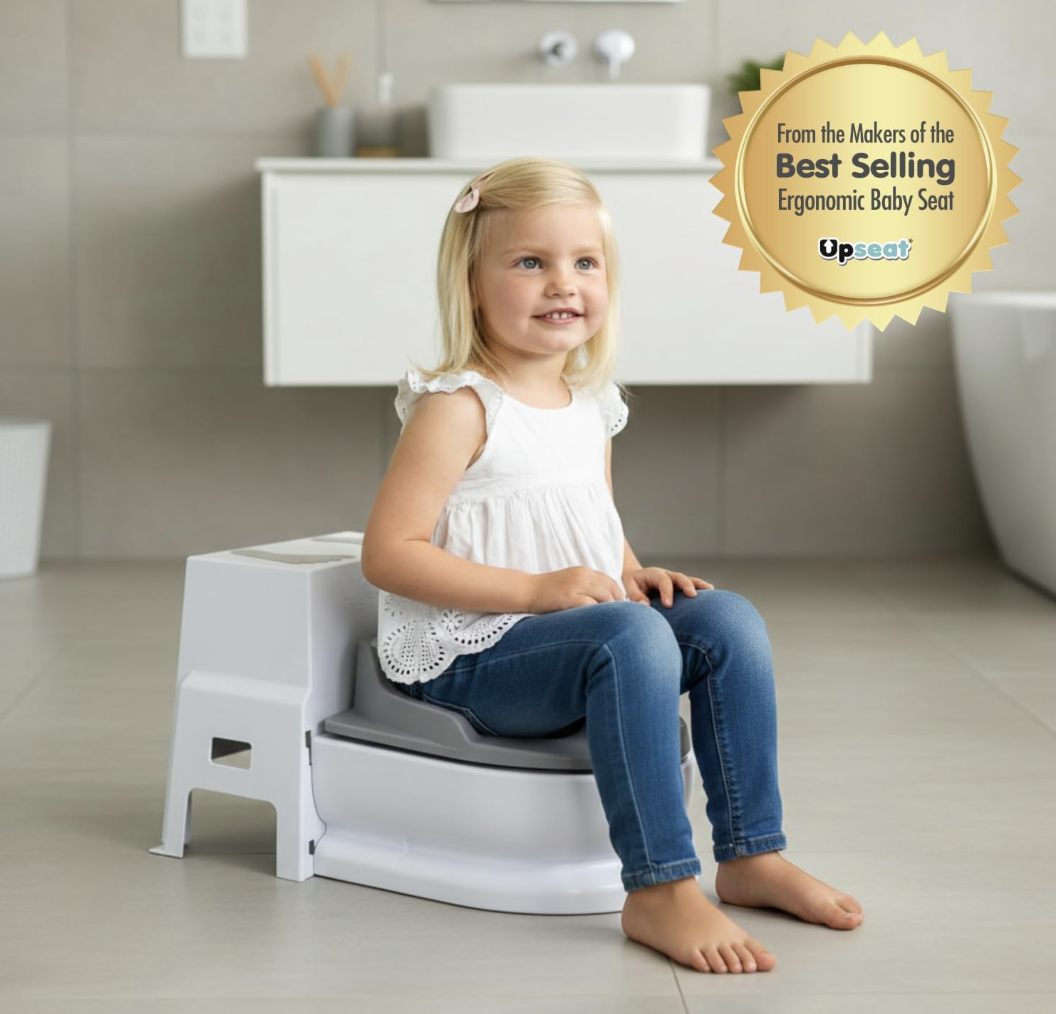
Upseat Ergonomic 3-in-1 Potty Training Set
The only PT-developed 3-in-1 potty training set that promotes proper ergonomic posture with knees above hips for optimal elimination.
$79.99
Why Ergonomics Matter in Potty Training
Physical therapists agree: proper toileting posture with knees above hips is essential for healthy bowel movements. Not all potty seats are designed with this science in mind.
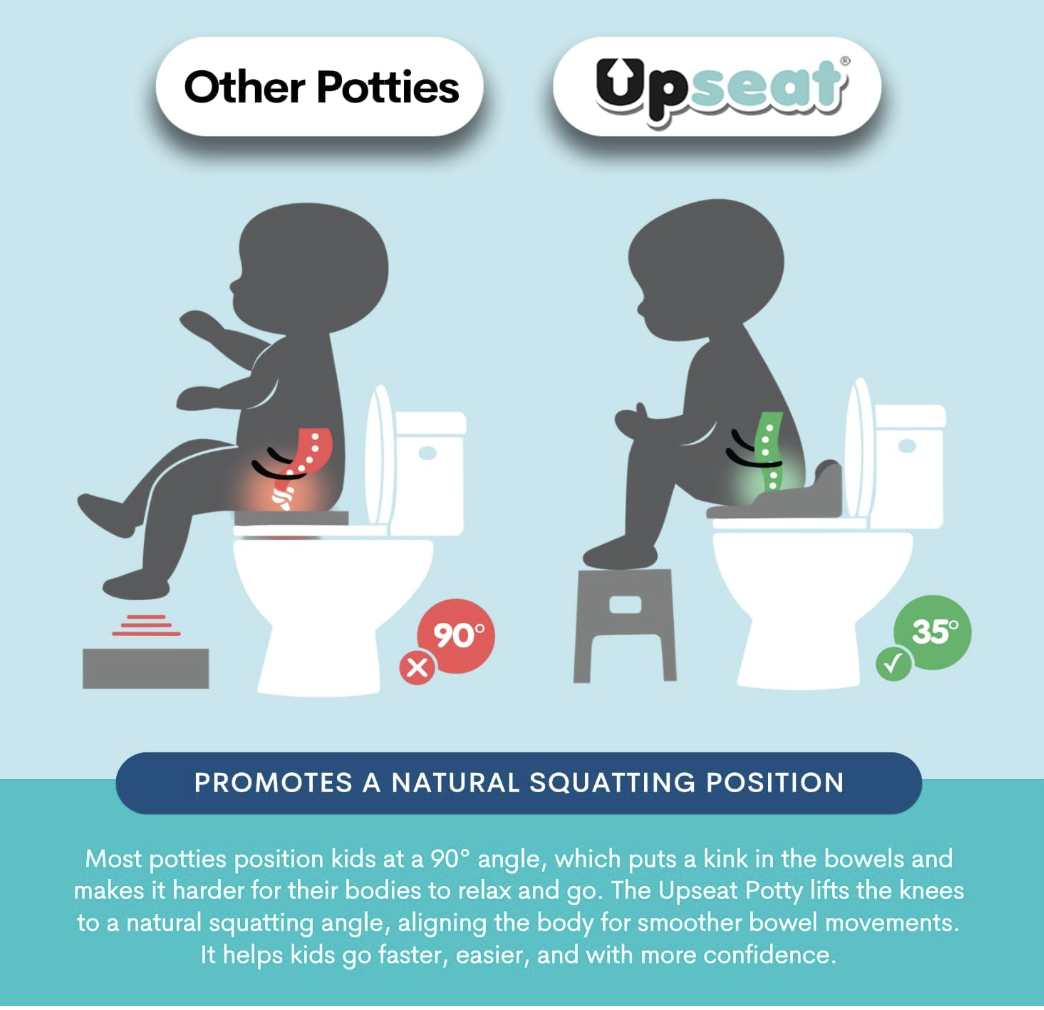
The Upseat lifts knees to a natural squatting angle (35°), aligning the body for smoother bowel movements — unlike standard 90° potties.
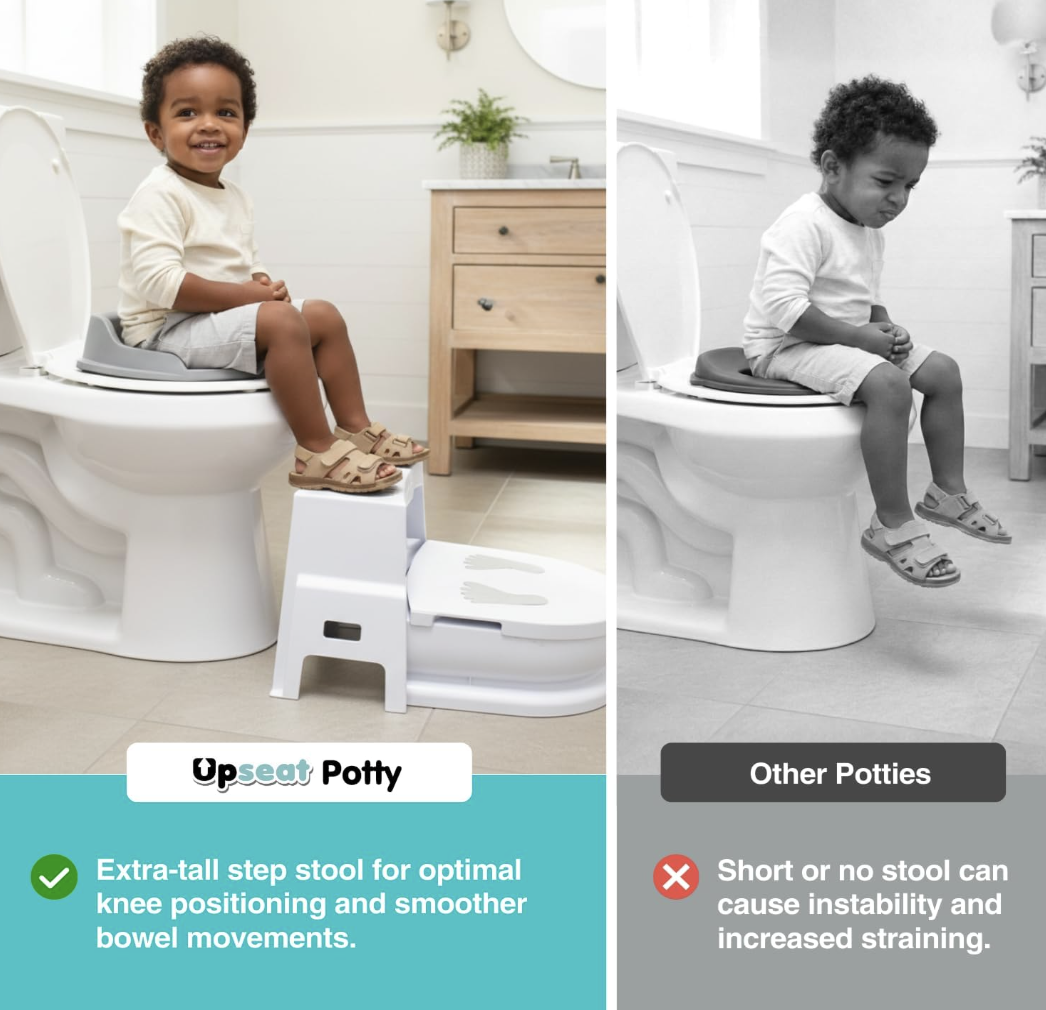
Upseat's extra-tall step stool provides optimal knee positioning for smoother bowel movements, while short or no stools cause instability and straining.
Optimal Anorectal Angle
When knees are elevated above hips, the anorectal angle straightens from ~100° to ~135°, allowing easier passage and reducing straining.
Puborectalis Relaxation
The squatting position relaxes the puborectalis muscle, which acts as a sling around the rectum, allowing for complete and comfortable elimination.
Reduced Straining
Proper posture reduces the need for excessive straining, which can lead to constipation, hemorrhoids, and other pelvic floor issues — even in young children.
"Place your feet hips-width apart on a stool. This will raise your knees above your hips. Lean forward slightly. … The pressure of your thighs on your lower belly is also helpful."
"When you elevate your legs (knees above hips), your sphincter aligns straight, and the puborectalis muscle becomes relaxed. This allows for an ease of elimination of your bowels."
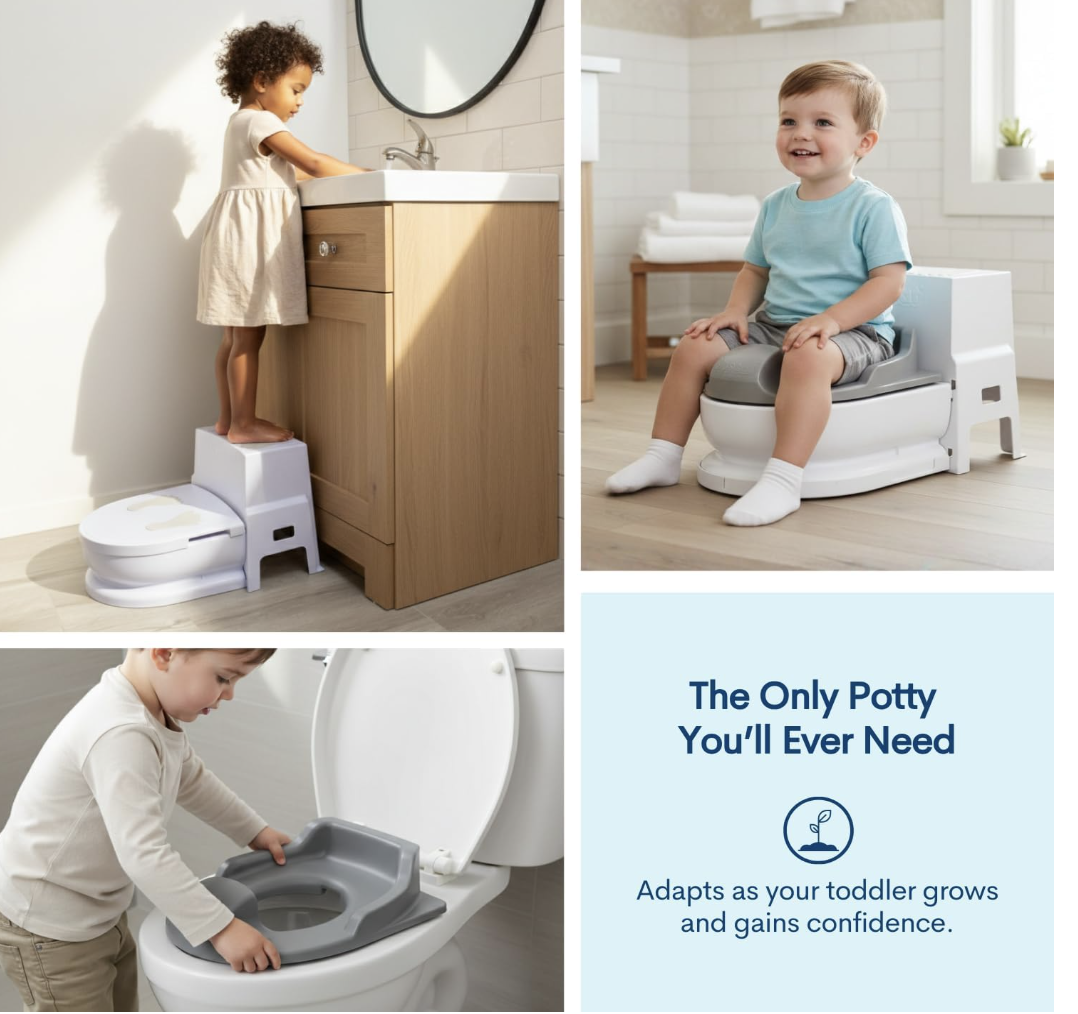
Potty Training Is a Team Effort
The right potty seat makes a world of difference, but so does your approach. Pediatric physical therapists recommend starting when your child shows readiness signs — typically between 18 and 30 months — and using a seat that supports proper posture from day one.
Choose a seat that positions knees above hips for natural elimination
Ensure feet are flat on the floor or a step stool for stability
Encourage a slight forward lean to optimize the anorectal angle
Be patient and consistent — every child's timeline is different
All Product Reviews
We've tested and scored the top potty training seats using our PT-backed methodology. Click any product for the full review.
Upseat Ergonomic 3-in-1 Potty Training Set
Upseat
$79.99
The only PT-developed 3-in-1 potty training set that promotes proper ergonomic posture with knees above hips for optimal elimination.
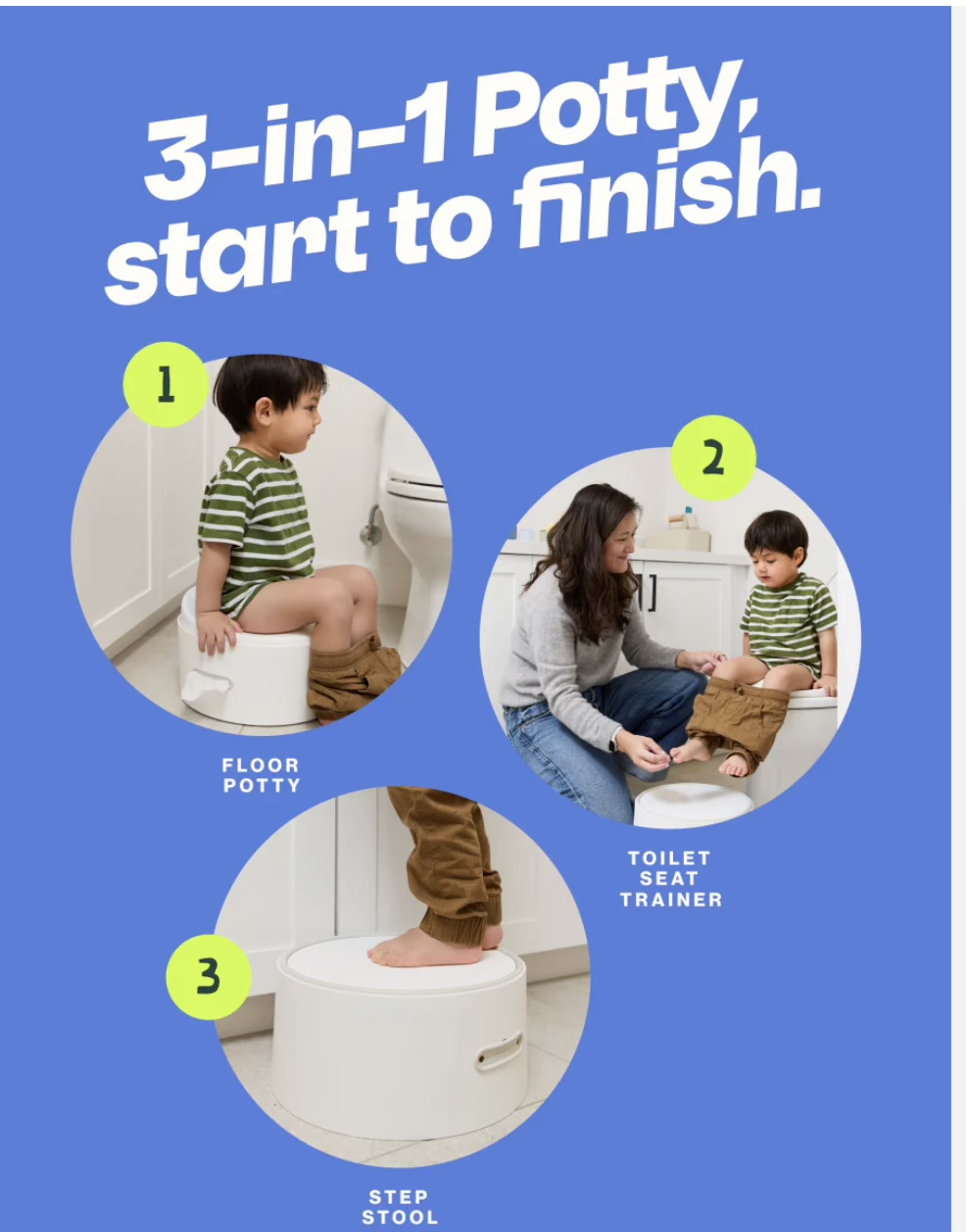
Lalo The 3-in-1 Potty
Lalo
$62
A design-forward 3-in-1 potty with soft-open lid that converts from floor potty to toilet trainer to step stool — but falls short on ergonomics.
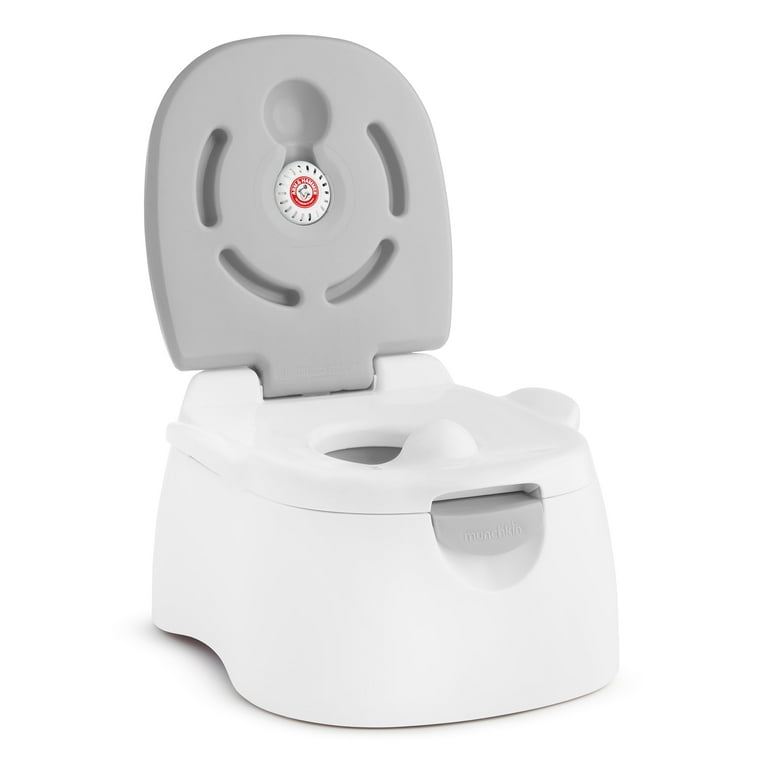
Munchkin Arm & Hammer Multi-Stage 3-in-1 Potty
Munchkin
$34.99
A budget-friendly 3-in-1 potty with odor control technology, converting from potty to seat to step stool.
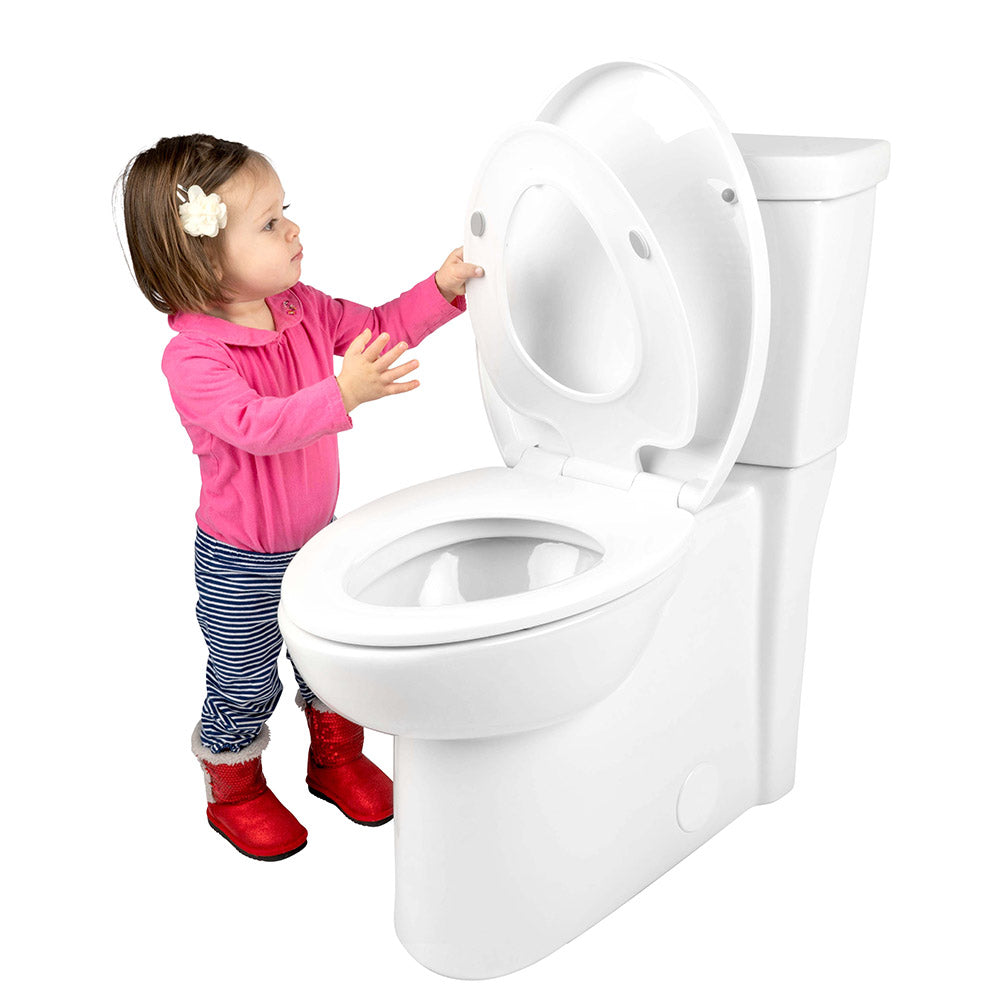
Bath Royale Kingsport Family Toilet Seat
Bath Royale
$66.47
A premium 2-in-1 adult/child combo toilet seat replacement with slow-close lid and built-in toddler seat.
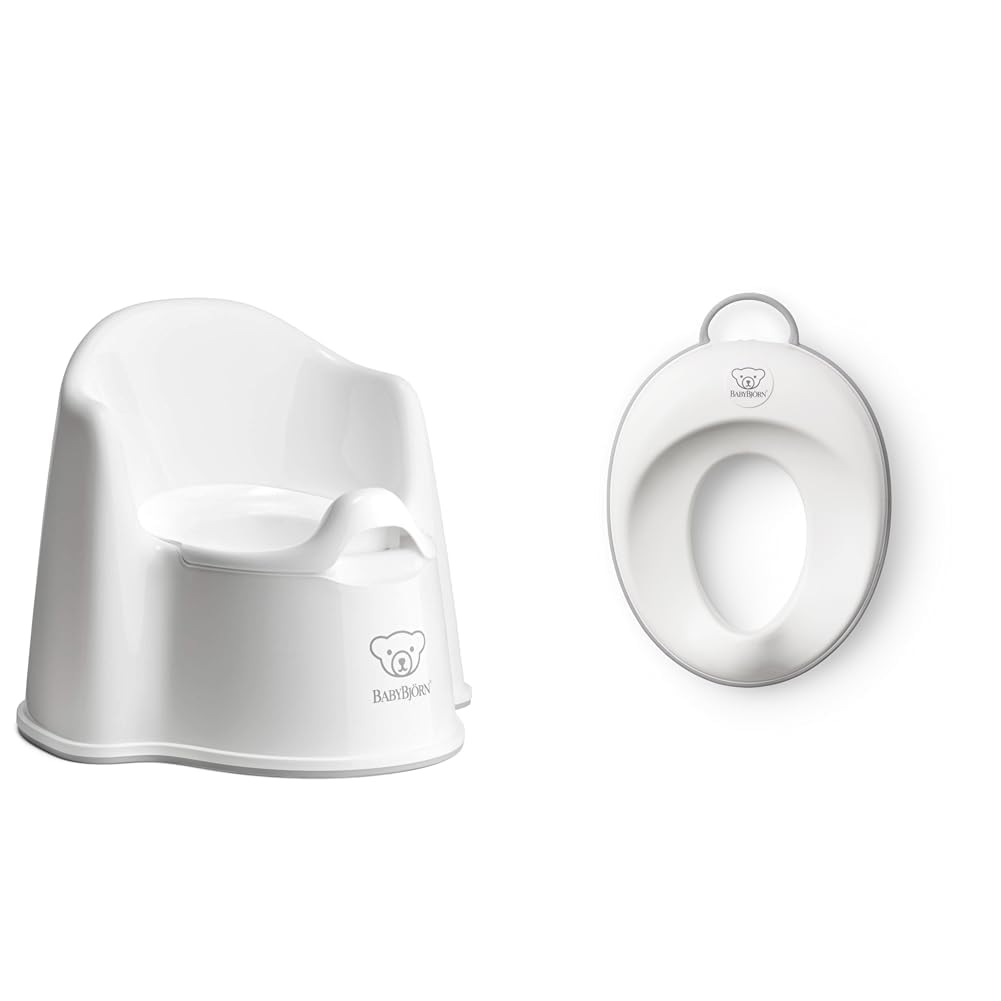
BabyBjörn Toilet Trainer
BabyBjörn
$39.99
A premium adjustable toilet seat adapter with secure fit dial, designed for use on standard adult toilets.
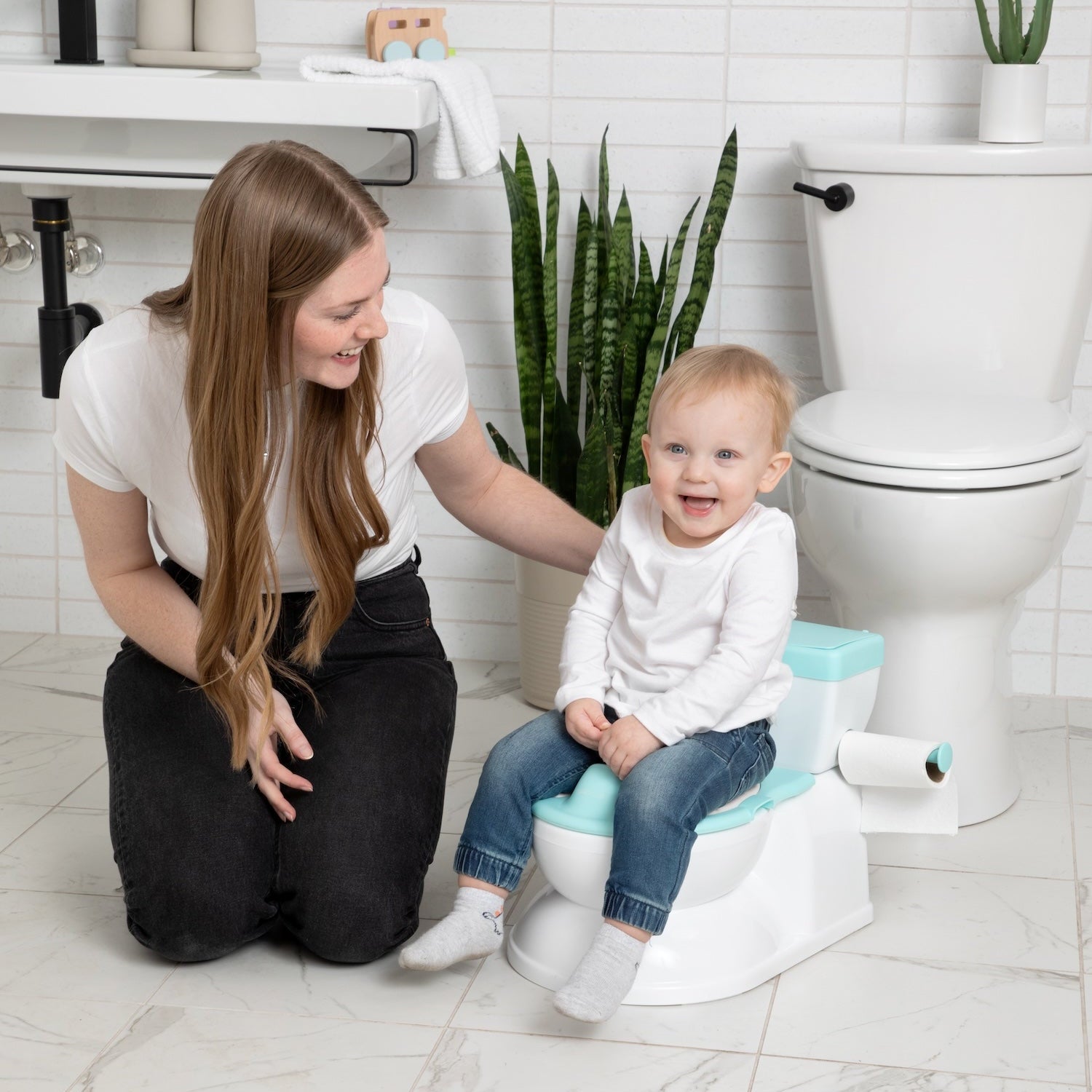
Jool Baby Real Feel Potty Chair
Jool Baby
$34.99
A feature-rich realistic potty with flushing sounds, wipe holder, and removable seat for toilet transition.
Ready to Choose the Best Potty Seat?
Our top pick — the Upseat Ergonomic 3-in-1 — is the only potty developed with physical therapists for optimal posture. See why it scored highest in our review.